Find your dream job in the Stuttgart Region
Time to connect with exciting companies and institutions in one of Europe’s high-tech regions
Unique career opportunities are waiting for you. You can choose between market leaders, cutting edge research institutions and innovative family businesses.
You want to get ahead in:
And you are a:
-
Animationsinstitut of Filmakademie Baden-Württemberg
Leading in animation, VFX and interactive media.- Researcher
- Talent
- Startup
-
Bosch Research
We innovate for life.- Researcher
- Talent
- Startup
-
Center for Solar Energy and Hydrogen Research Baden-Württemberg (ZSW)
Energy with a future- Researcher
- Talent
- Startup
-

DHBW Duale Hochschule Baden-Württemberg Stuttgart (DHBW Stuttgart)
The Synergy Of Theory And Practice- Researcher
- Talent
- Startup
-
Esslingen University of Applied Sciences
An outstanding educational environment and a driving force for innovation in technology, management, the social sciences – and their interaction.- Researcher
- Talent
- Startup
-

Fraunhofer Institute for Building Physics (IBP)
Building on knowledge- Researcher
- Talent
- Startup
-

Fraunhofer Institute for Interfacial Engineering and Biotechnology (IGB)
We combine biology and engineering- Researcher
- Talent
- Startup

-
Fraunhofer Institute for Industrial Engineering (IAO)
Human and technology in the digital world of work.- Researcher
- Talent
- Startup
-

Fraunhofer Institute for Manufacturing Engineering and Automation (IPA)
We see opportunities. We give impulses. We manufacture the fucuture- Researcher
- Talent
- Startup
-
German Aerospace Center (DLR)
DLR is Germany's research centre for aeronautics and space.- Researcher
- Talent
- Startup
-
German Institutes of Textile and Fiber Research Denkendorf (DITF)
The DITF form the largest textile research center in Europe- Researcher
- Talent
- Startup
-

Hochschule der Medien (HdM)
Hochschule der Medien is a public university (funded by the state of Baden-Württemberg) which teaches media specialists- Researcher
- Talent
- Startup
-
HFT Stuttgart
Climate-literate. Resiliant. Connected.- Researcher
- Talent
- Startup
-

IMS Chips
Research and development for innovative applications in microelectronics and nanotechnology- Researcher
- Talent
- Startup
-
International School of Management
International. Individual. Inspiring.- Researcher
- Talent
- Startup
-
Max Planck Institute for Intelligent Systems
Research on learning systems: the principles of perception, action and learning.- Researcher
- Talent
- Startup
-

Max Planck Institute for Solid State Research
Understanding materials. Shaping the future.- Researcher
- Talent
- Startup
-
Nürtingen Geislingen University (NGU)
Education for responsibility- Researcher
- Talent
- Startup
-

Q.ANT GmbH
Quantum technology can do more. And so can our team.- Researcher
- Talent
- Startup
-
Stuttgart State Academy of Art and Design
Art, design and science- Researcher
- Talent
- Startup
-
University of Hohenheim
Individual and unique: This is how the University of Hohenheim presents itself – as Stuttgart’s oldest and most highly specialized university.- Researcher
- Talent
- Startup
-
University of Stuttgart
Intelligent systems to benefit society.- Researcher
- Talent
- Startup
RESEARCH, INNOVATION AND TECHNOLOGY
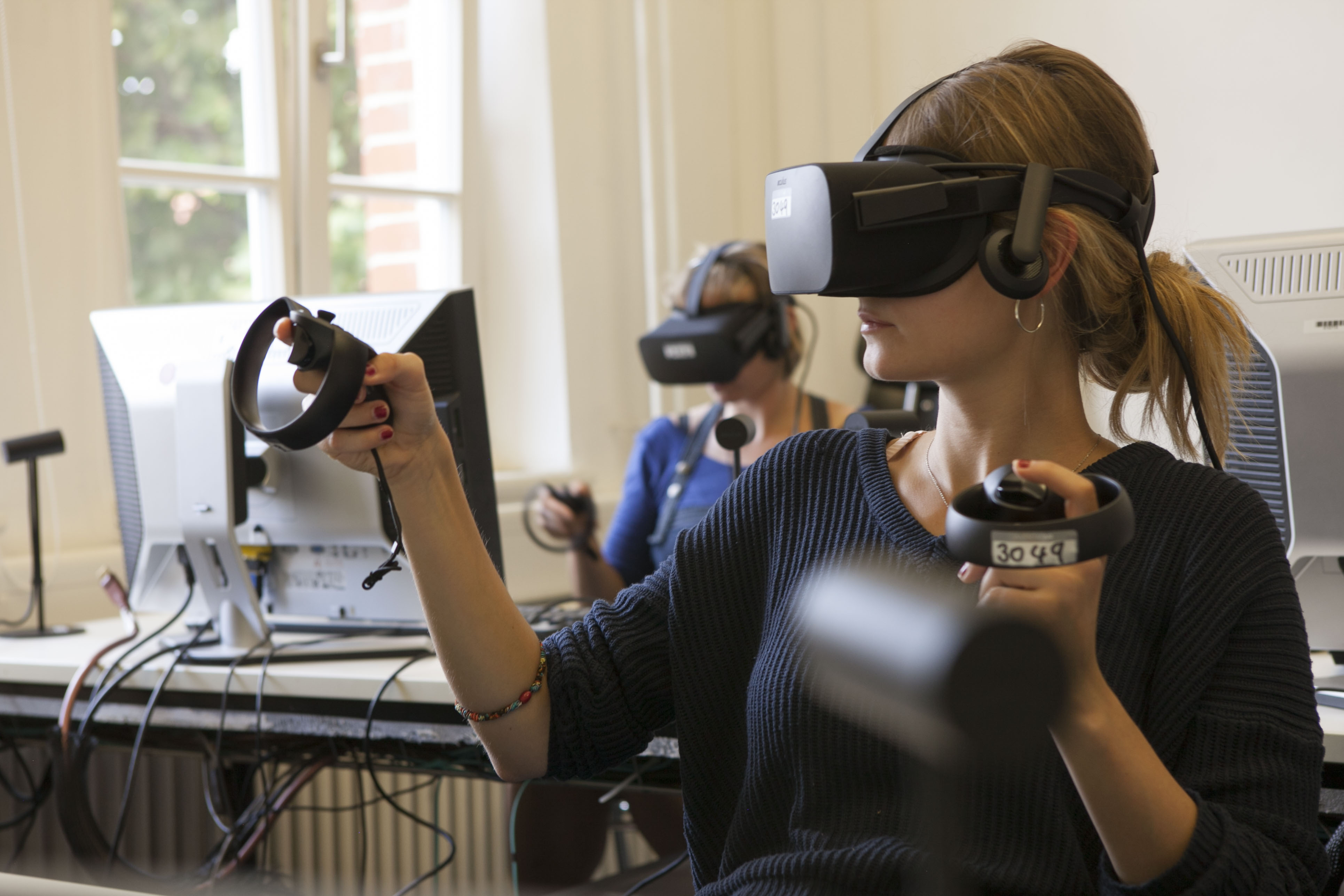
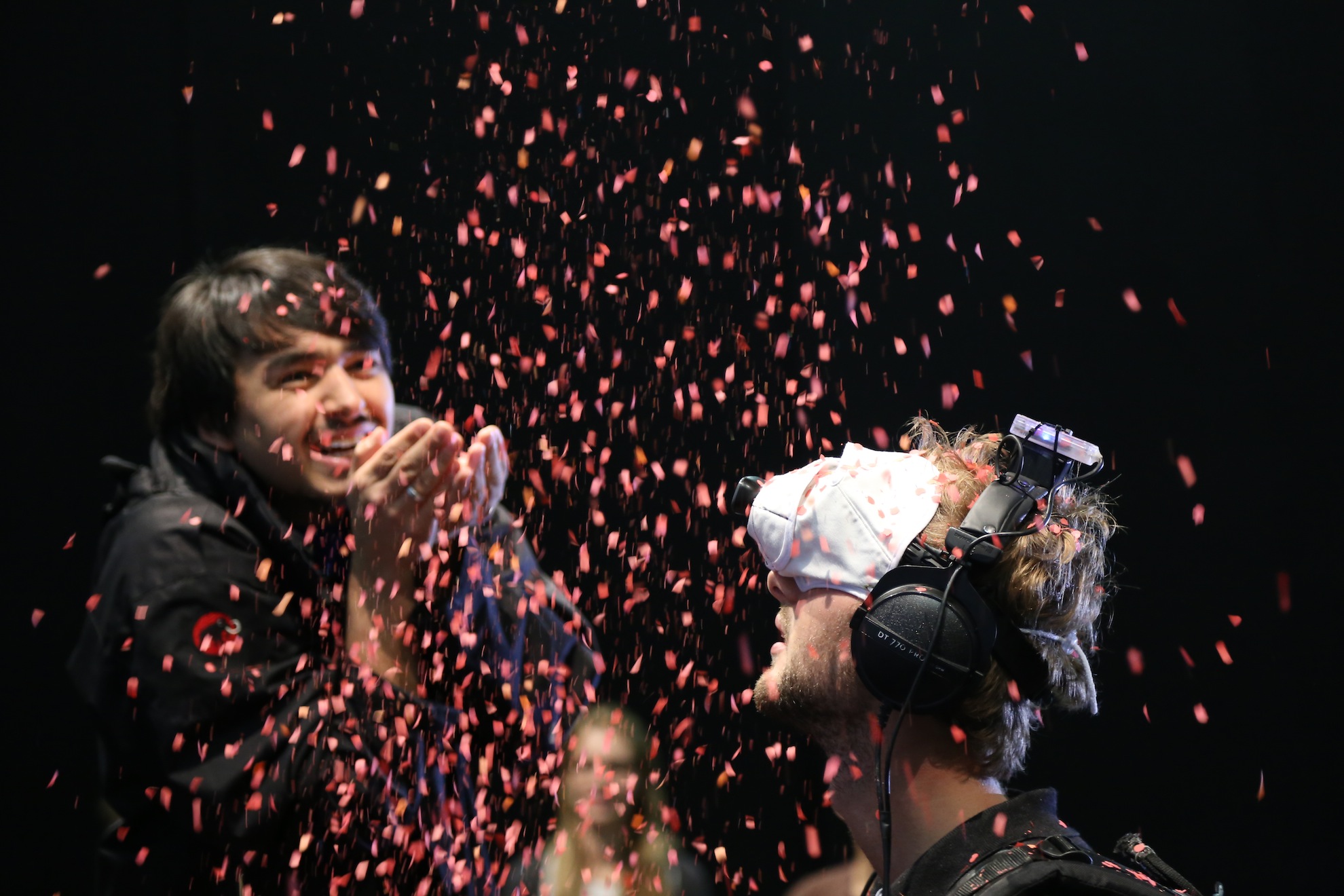
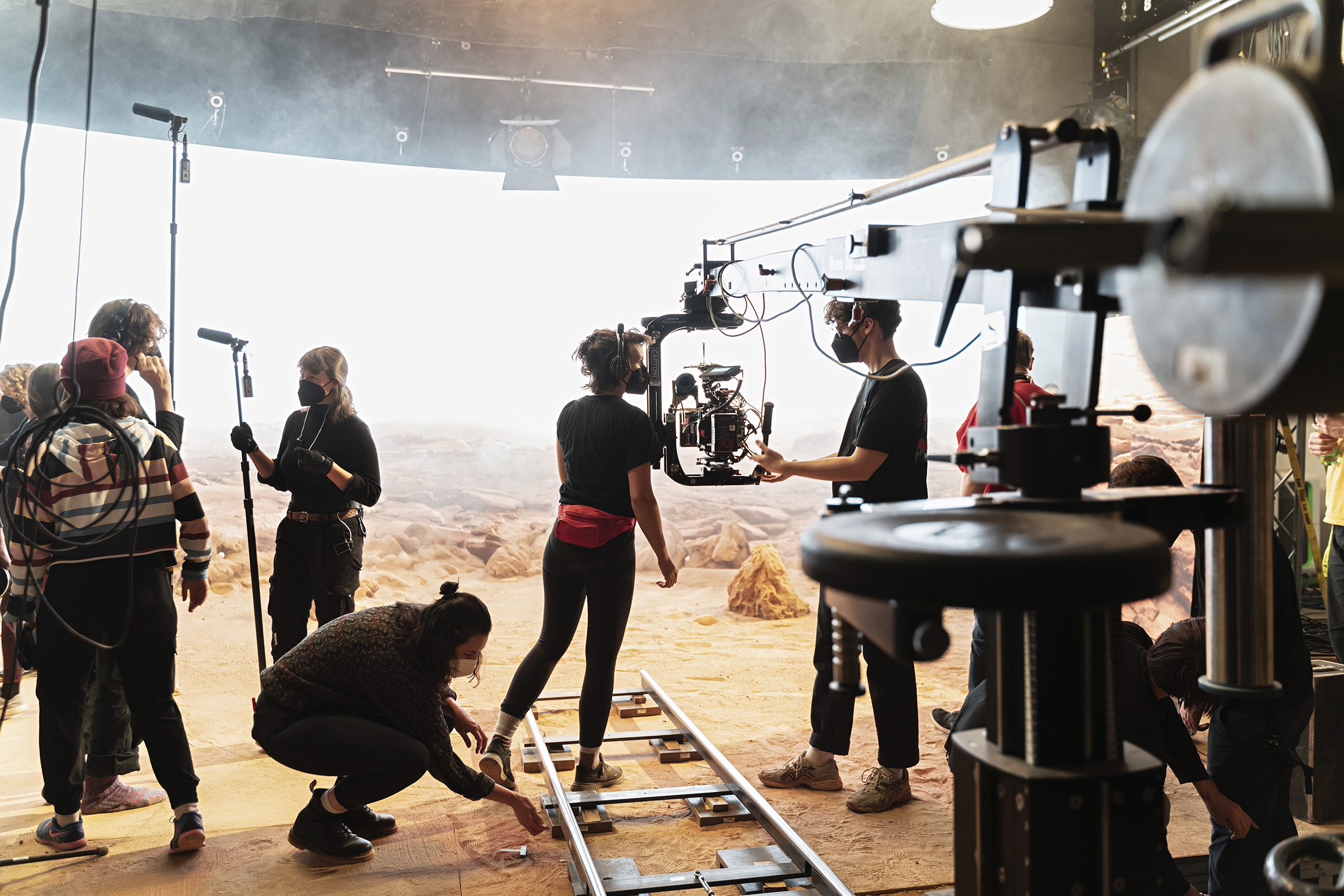
At Animationsinstitut of Filmakademie Baden-Württemberg, a highly skilled and motivated team of researchers, engineers and artists works on the next generation of tools, workflows and content for Film, Animation, VFX, eXtended Reality and Immersive Media.
Projects on regional and European Union level ensure state-of-the-art research in collaboration with internationally renowned companies and affiliations.
The research is carried out in close collaboration with all students at Filmakademie and the Technical Directing course in particular.
Fascination for research and development
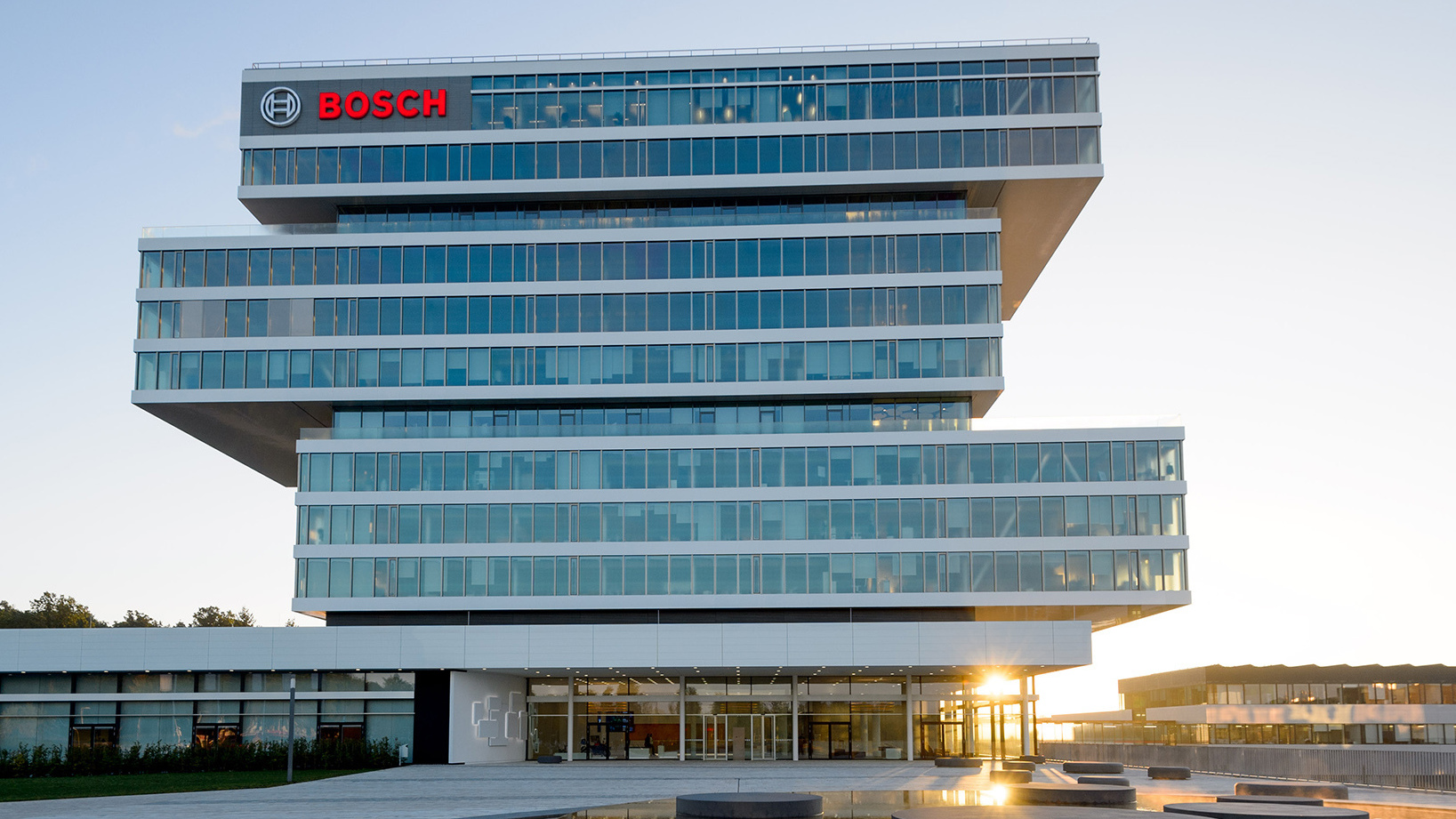
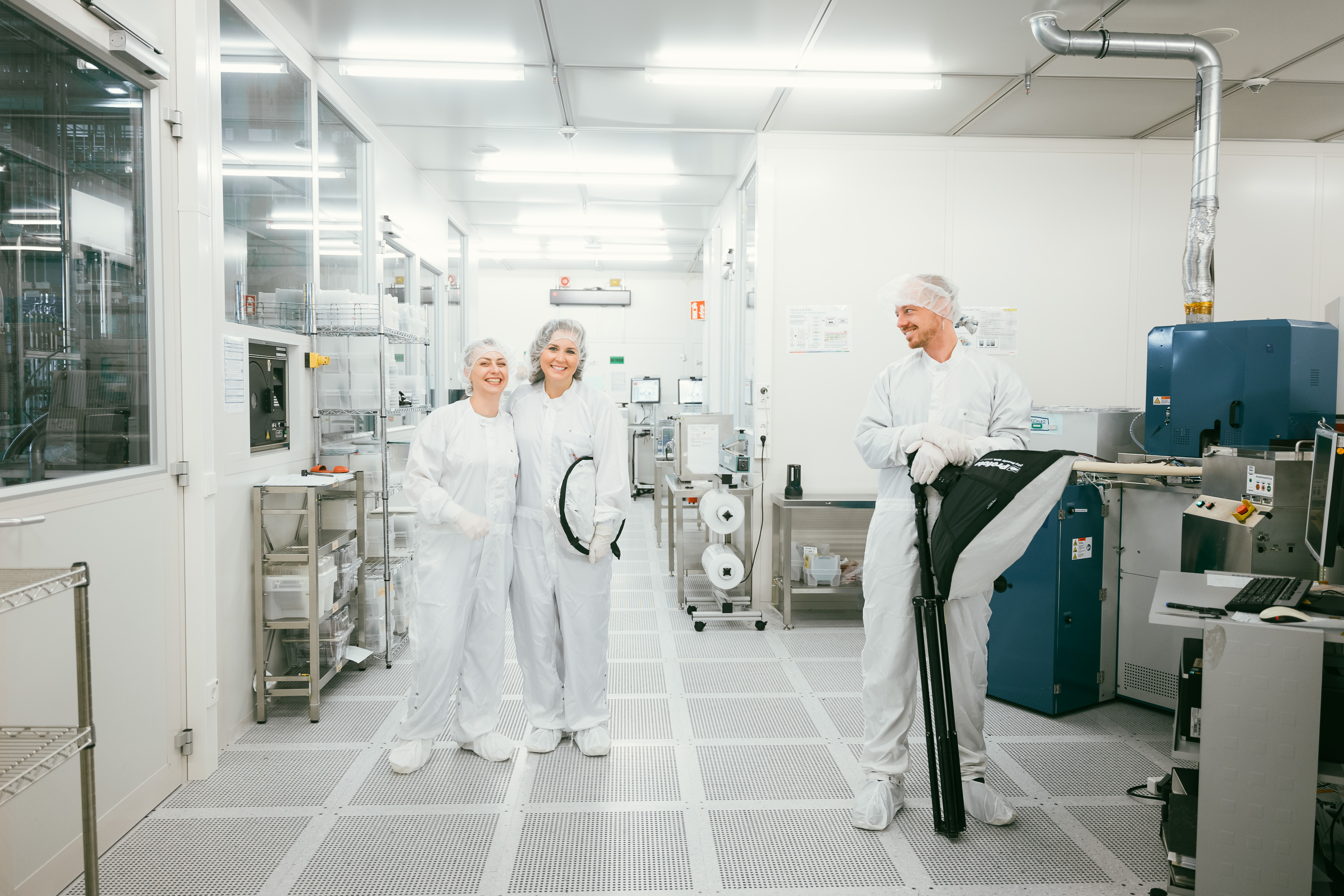
At Bosch Research, research meets application. Around 1,800 experts around the world develop the technologies of tomorrow — and beyond.
The world in which we live is changing rapidly. Global megatrends such as climate change and digitalization influence virtually every area of day-to-day life. One thing that doesn’t change is Bosch’s mission to create technology that is “Invented for life” — in other words using technological innovations to improve people’s quality of life and using natural resources responsibly.
Bosch Research sees itself as the spearhead of innovation at Bosch: Our researchers are involved in around a quarter of the patent applications filed by Bosch. On the one hand, we help all Bosch divisions to develop the next generation of products or the generation after that. On the other hand, we look far into the future: with our partners in science and industry, we identify technologies and trends which will shape our lives in the future and make them usable for the entire company. As a global team with around 1,800 experts from all over the world, we cover a wide range of areas with our research. Whether it be automation, digitalization and connectivity, artificial intelligence (AI), electrification, climate action and sustainability or healthcare: Bosch Research combines top-level research with specific technological developments.


Energy with a future
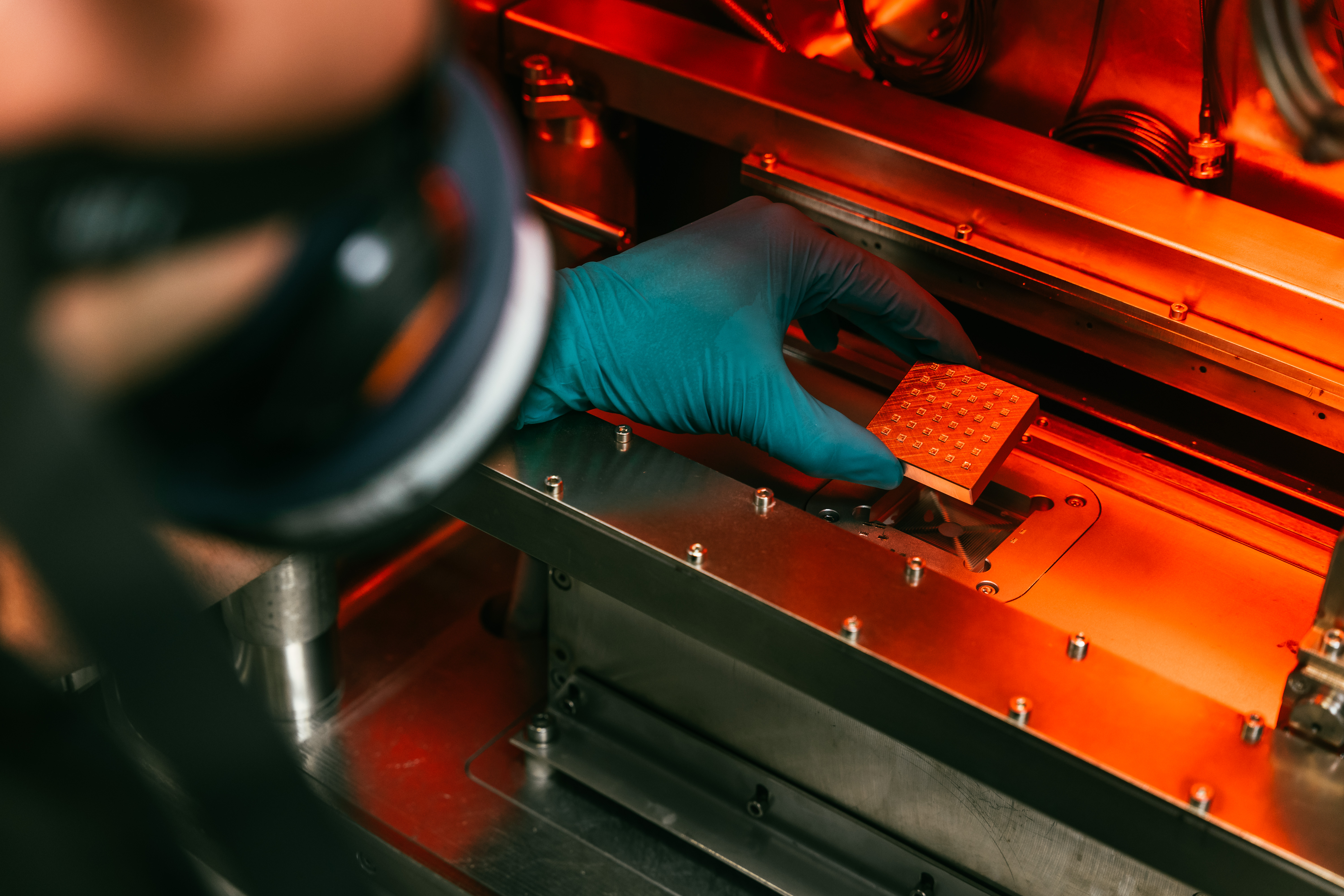
The Center for Solar Energy and Hydrogen Research Baden-Württemberg (ZSW) ranks among Europe’s leading institutes for renewable energy and energy storage technologies. Research spans the full innovation chain: from material development and prototype design to scalable production processes, system integration, and market analysis.
Focus areas include photovoltaics, hydrogen and fuel cell technologies, electrochemical storage, renewable fuels, smart grids, and energy systems analysis. All activities aim to advance climate neutrality while aligning with resource efficiency, societal needs, and economic viability.
ZSW plays an active role in transferring research into industrial application, supported by strong partnerships and commissioned projects. Decision-makers in government and industry benefit from ZSW’s strategic analyses and technology recommendations.
A high level of expertise, interdisciplinary collaboration, and a shared commitment to sustainability define the institute’s research environment.
The Synergy Of Theory And Practice
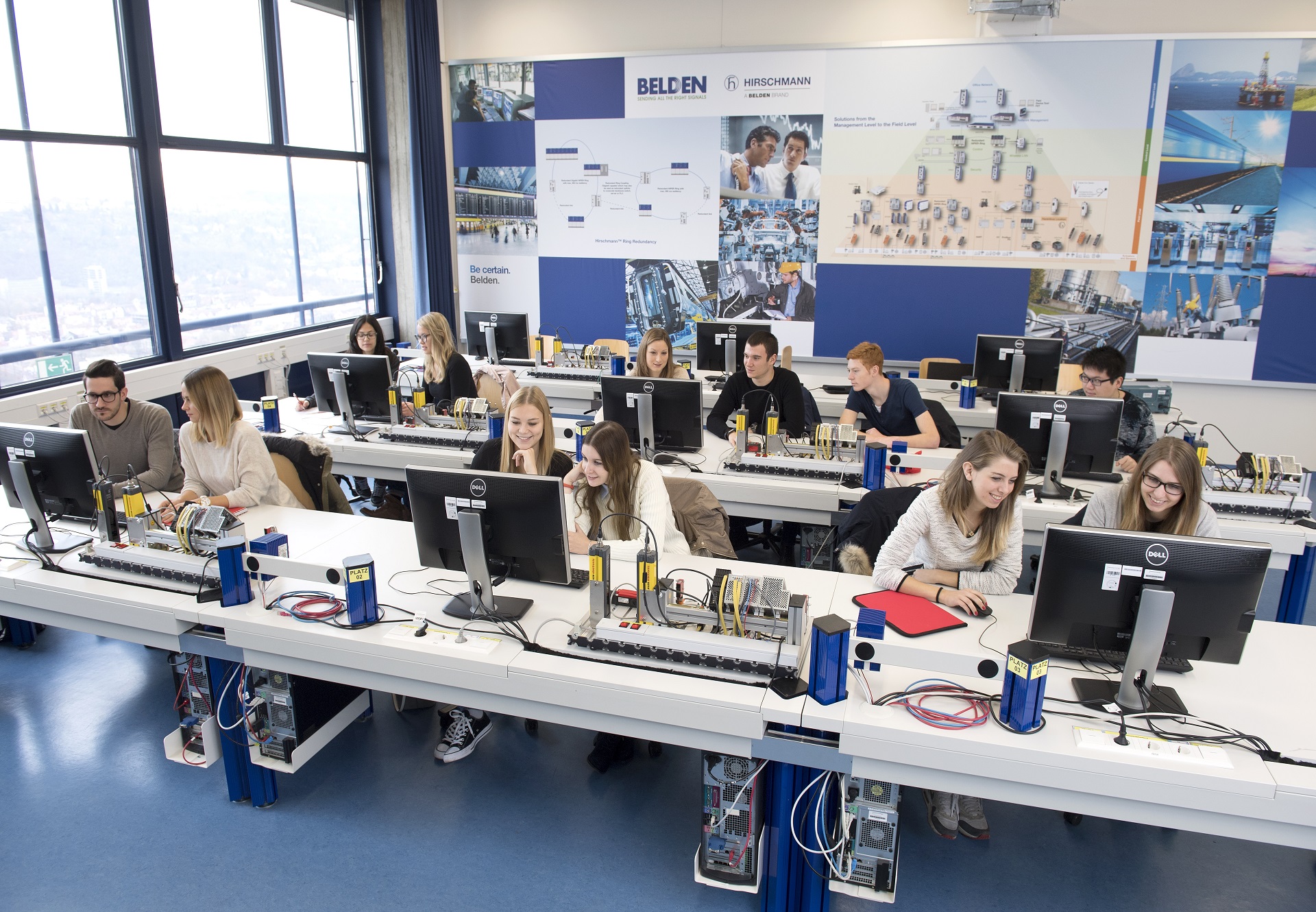
DHBW Stuttgart is one of the largest higher education institutions in the Stuttgart and Northern Black Forest regions and part of the Baden-Württemberg Cooperative State University system, with a unique dual education model integrating theory and practical experience through close cooperation with around 2,000 corporate and social partners.
Research at DHBW Stuttgart is application- and transfer-oriented, primarily conducted regionally in partnership with dual education partners, companies, universities, and research institutions nationally and internationally. The goal of research is to generate new knowledge, improve teaching, and contribute to economic and social progress through innovation and knowledge transfer.
Research and transfer activities are concentrated in knowledge centers and focus areas within the faculties of Social Work, Engineering, Business, and Health.
We are an outstanding educational environment and a driving force for innovation in technology, management, the social sciences – and their interaction.
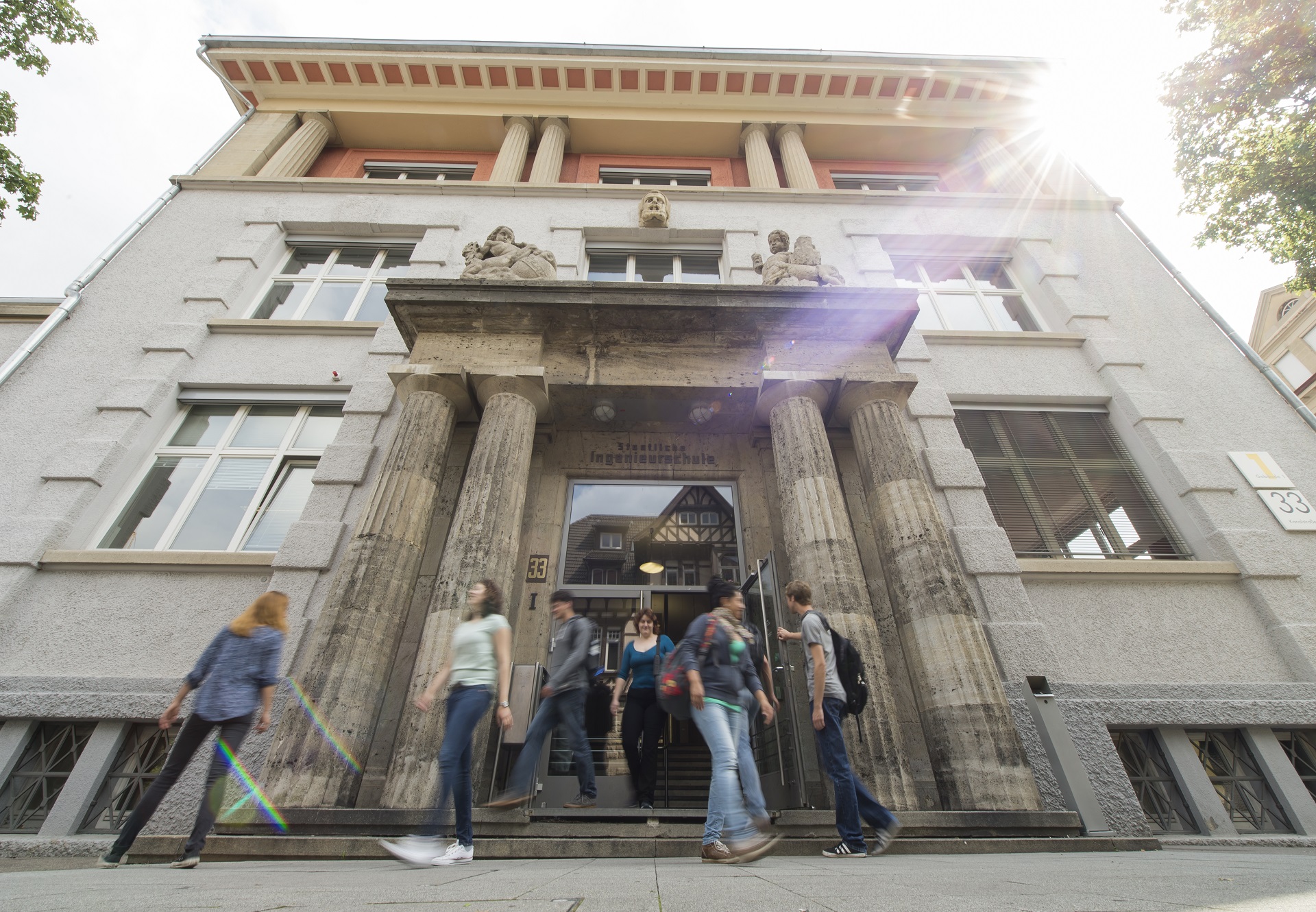
Esslingen University of Applied Sciences offers academic training and education across the disciplines of engineering, business, and the social sciences. With around 6,400 students enrolled in 27 Bachelor’s and 14 Master’s degree programmes, Esslingen stands out for its strong emphasis on excellence in teaching and a high degree of practical relevance. Unsurprisingly, the university consistently ranks among the top universities of applied sciences in Germany in various national rankings.

Building on knowledge
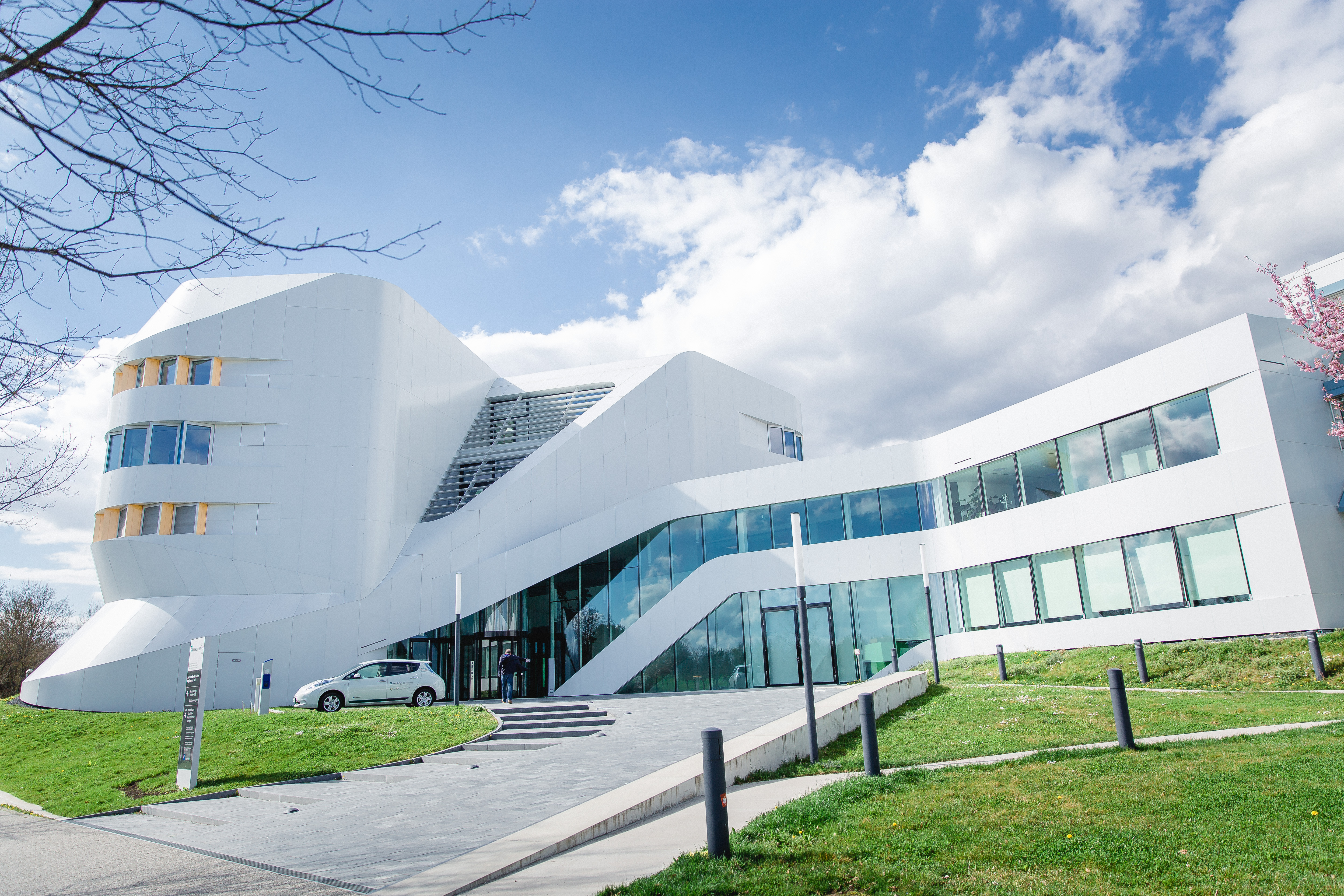
Founded in 1929, Fraunhofer IBP is one of the most established institutes within the Fraunhofer-Gesellschaft. With 264 employees across its Stuttgart and Holzkirchen branches, the institute focuses on research, development, testing, demonstration, and consulting in building physics.
Key areas of expertise include:
• Acoustics: Interdisciplinary research to reduce noise pollution with innovative acoustic technologies.
• Energy Efficiency and Indoor Climate: Developing energy-efficient building solutions and optimizing indoor environments.
• Life Cycle Engineering: Ensuring sustainability through product life cycle analysis, including material and energy flow management.
• Hygrothermics: Analyzing thermal and moisture properties of building materials for improved durability and comfort.
• Inorganic Materials and Recycling: Researching sustainable use and recycling of inorganic building materials.
• Environment, Hygiene, and Sensor Technology: Creating solutions to minimize negative impacts of buildings and transport on people and the environment.
• Fraunhofer IBP delivers innovative product developments and practical solutions across the building sector.
We combine biology and engineering
The Fraunhofer Institute for Interfacial Engineering and Biotechnology IGB develops processes and technologies for health, sustainable chemistry, and environmental protection. Combining biology and process engineering, research addresses major challenges such as resource conservation, climate protection, global supply security, and personalized medicine.
Using bioinspired and biointelligent approaches, the IGB works along the entire innovation chain—from lab to pilot scale—offering analytical and testing services. As part of the Fraunhofer-Gesellschaft, it connects cutting-edge research with real-world applications.
Human and technology in the digital world of work
How will people live and work in the future? Asking this and similar questions, researchers at Fraunhofer Institute for Industrial Engineering IAO apply their findings in practice to achieve concrete results. Our experts shape the interaction between humans, technology and organization with a view to the whole, keeping each customer’s specific needs in mind. We help companies and institutions recognize the potential of new technologies, harness them for profit, and open up attractive future markets.
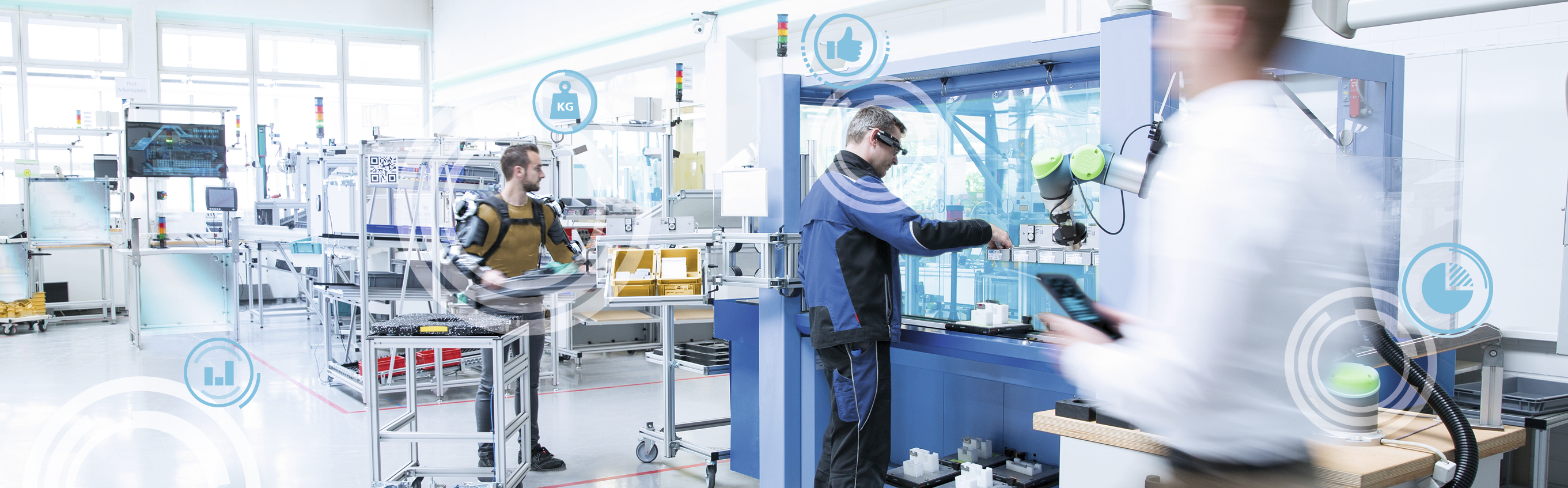
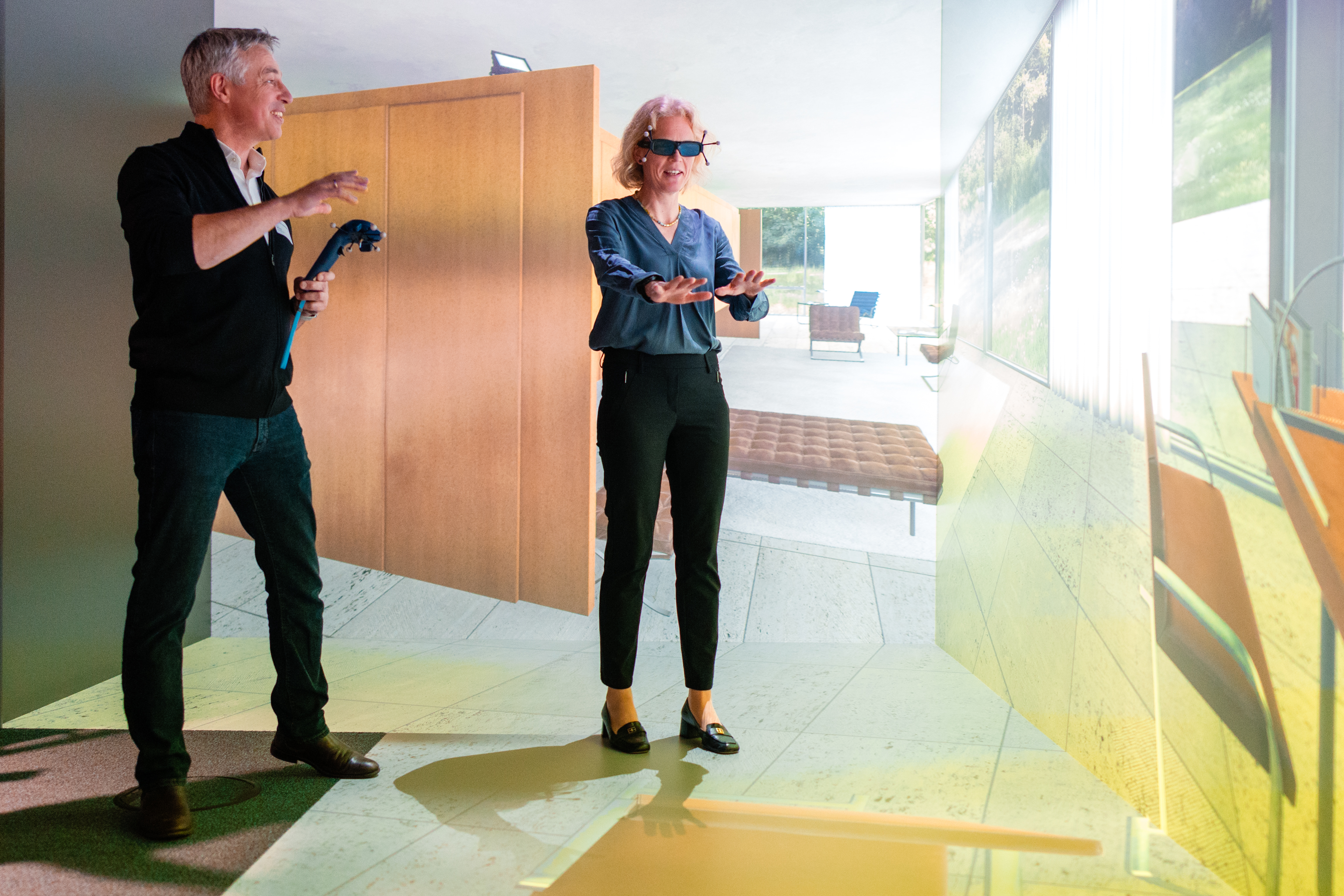
We see opportunities. We give impulses. We manufacture the fucuture
The Fraunhofer Institute for Manufacturing Engineering and Automation IPA is one of the largest institutes of the Fraunhofer-Gesellschaft, with around 1,200 employees. Its research focuses on production technologies—ranging from components and systems to entire machines and factories.
Key topics include automation, digital transformation, sustainable and personalized production, battery and hydrogen systems, and biointelligent manufacturing. IPA collaborates closely with industry across sectors such as automotive, electronics, energy, and healthcare.
Initiatives like S-TEC and startup incubators connect research with real-world application, offering a dynamic environment for talents shaping the future of industry.
German Aerospace Center (DLR)
The DLR site in Stuttgart employs around 750 members of staff at its seven institutes. Among the primary fields of research here are high-performance composite structures, new road and rail vehicle concepts, laser system development, energy storage concepts, gas turbines, and technologically advanced combustion processes, as well as the development of receivers for solar thermal power plants.
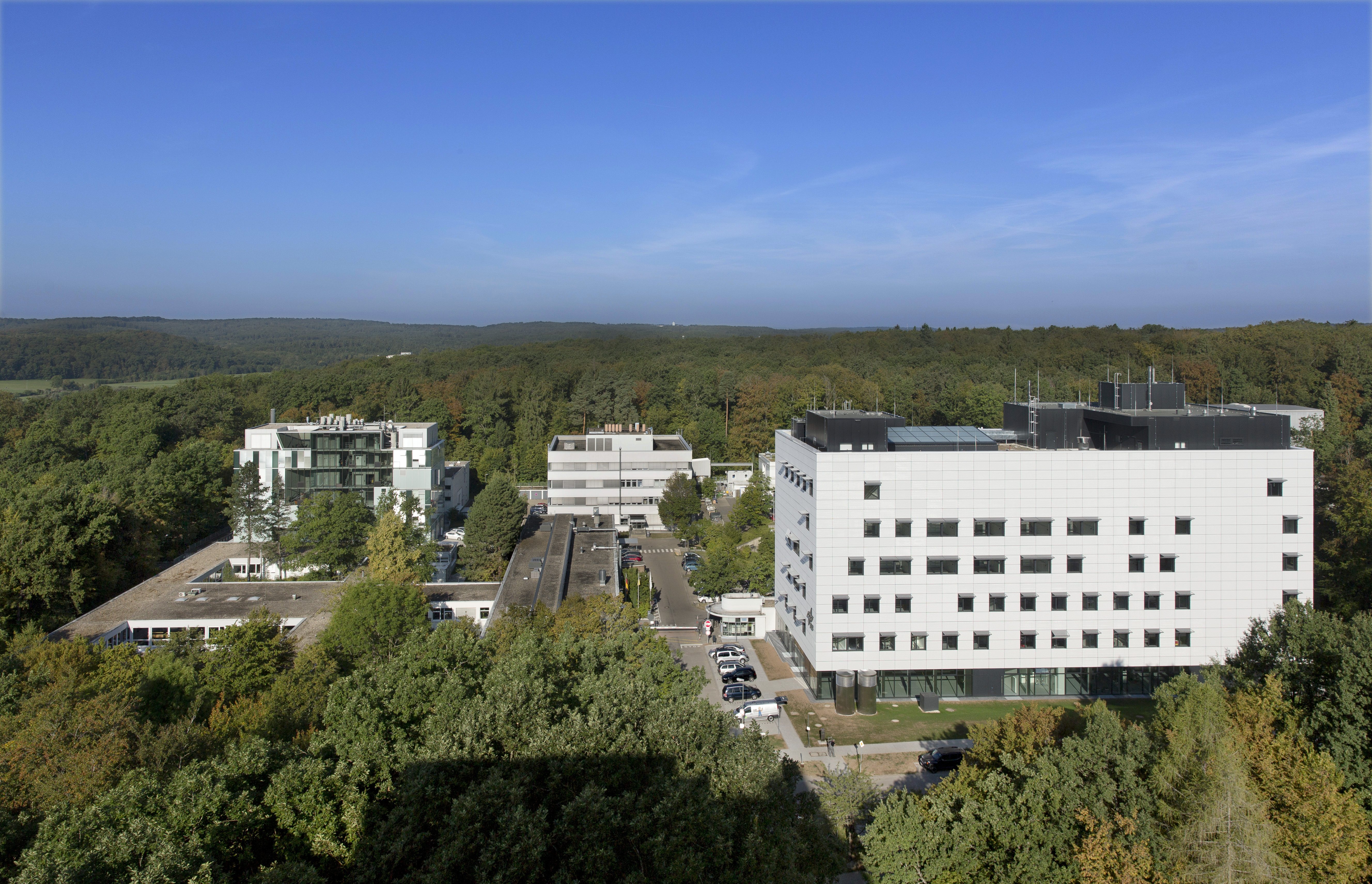
The DITF form the largest textile research center in Europe
The German Institutes of Textile and Fiber Research Denkendorf (DITF) is the largest textile research center in Europe, uniquely covering the entire textile value chain—from molecular research to finished products and market readiness.
Research activities span high-performance fibers, adaptive manufacturing processes, smart textiles, and digitalized production technologies. Cutting-edge micro- and nanotechnologies, combined with expertise in IT and communication systems, enable advancements in areas such as functionalization, finishing, and “Textile 4.0”.
DITF combines fundamental and applied research with process and business model innovation, making it a globally recognized hub for the textile industry’s transformation. Interdisciplinary teams collaborate across materials science, production technology, and market application to develop solutions at the forefront of sustainability, performance, and digitalization.
Hochschule der Medien is a public university (funded by the state of Baden-Württemberg) which teaches media specialists
The Hochschule der Medien (HdM) is a public university in Baden-Württemberg that covers a broad spectrum of media expertise. Founded in 2001 through the merger of the Fachhochschule für Druck und Medien (HDM) and the Hochschule für Bibliotheks- und Informationswesen (HBI), it combines traditional and modern media disciplines.
Research at HdM is organized into two main fields:
Media Technologies: Engineering research across innovative technologies and computer science, with focus areas including printed electronics, digital image processing, and responsive and interactive media.
Social Sciences, Economics, and Media: Research on the economic, ethical, and social foundations of media development; the effects and perspectives of the digital transformation of society; and the development of tools to analyze and design solutions for society as a whole as well as individual media users. Additionally, legal, economic, and organizational aspects of media usage and media companies are explored.
Researchers at HdM work interdisciplinarily and maintain close cooperation with partners from industry and academia. Over the past few years, more than 50 major national and European research projects have been successfully completed.
The Institute for Applied Research (IAR) is HdM’s main platform for applied research, supporting companies in initiating and conducting research projects, securing public funding, and managing scientific activities
Climate-literate. Resiliant. Connected.
The Hochschule für Technik Stuttgart (HFT Stuttgart) is a research-active institution focused on shaping sustainable, resilient, and connected futures. With 36 Bachelor's and Master's degree programs, 125 professors, 390 lecturers, and around 100 researchers, HFT fosters an interdisciplinary, practice-oriented environment where teaching and applied research go hand in hand.
The Institute for Applied Research (IAF) serves as the central hub for all research activities at HFT Stuttgart. It is structured around two major research focuses:
- Future-oriented Planning, Constructing and Managing
- Smart Technologies, Processes and Methods
These areas are supported by ten competence centers and several emerging research fields. The IAF provides strategic, operational, and administrative support through dedicated research management, ensuring optimal conditions for collaborative, high-impact projects.
At the heart of HFT’s research mission is the ambition to co-develop Metropolitan Regions of Tomorrow—urban environments designed to meet the needs of current and future generations. Research activities address pressing challenges such as climate change, digital transformation, and resilient infrastructure, in close alignment with the UN Sustainable Development Goals.
HFT Stuttgart is actively involved in national, European, and global research projects. Cross-disciplinary collaboration and strong partnerships with industry, municipalities, and public institutions ensure that research outcomes are relevant, applicable, and future-oriented.
Research and development for innovative applications in microelectronics and nanotechnology
The Institute for Microelectronics Stuttgart, IMS Chips, conducts application-driven research in microelectronics, specializing in silicon technologies, custom integrated circuits (ASICs), nano structuring, and advanced image sensor systems. As a non-profit foundation under civil law, the institute is located on the Stuttgart-Vaihingen research campus and is a member of the Innovationsallianz Baden-Württemberg (innBW), a network of leading applied research institutes in the region.
The institute is engaged in a wide range of cutting-edge research fields, including:
- Lithography and nanostructuring
- Medical technology
- Optics and photonics
- Smart sensors and embedded systems
- Industry 4.0 solutions
- Artificial intelligence in hardware applications
Its research activities are structured across four core business areas:
- Integrated Circuits & Systems
- Silicon Photonics
- MEMS and NEMS Technologies
- Nanostructuring
IMS Chips combines fundamental scientific research with real-world industrial relevance, offering opportunities for collaboration, thesis supervision, and Ph.D. research in cooperation with the University of Stuttgart. With a strong, interdisciplinary team, the institute welcomes both experienced researchers and early-career scientists aiming to shape the future of micro- and nanoelectronics
International. Individual. Inspiring.
The International School of Management (ISM) is one of Germany’s leading business schools, with seven campuses and over 30 years of experience in practice-oriented higher education. Alongside its accredited degree programs, ISM maintains a strong applied research profile focused on real-world management challenges.
Research activities are organized across interdisciplinary institutes and departments that connect faculty expertise across locations. These serve as interfaces between research, teaching, and transfer—supporting third-party funding, doctoral programs with international partners, and practice-based research projects.
In line with its academic profile, ISM’s research and development projects emphasize interdisciplinary approaches and focus on the following core areas:
- International Business and Globalization
- Energy and Environmental Economics
- Tourism Studies
- Logistics and Information Systems
- Finance and Banking
- Marketing and Communication
- Leadership and Motivation
- Organizational and Human Resource Research
ISM is actively involved in national and regional research networks, strengthening the link between academic knowledge and practical innovation.
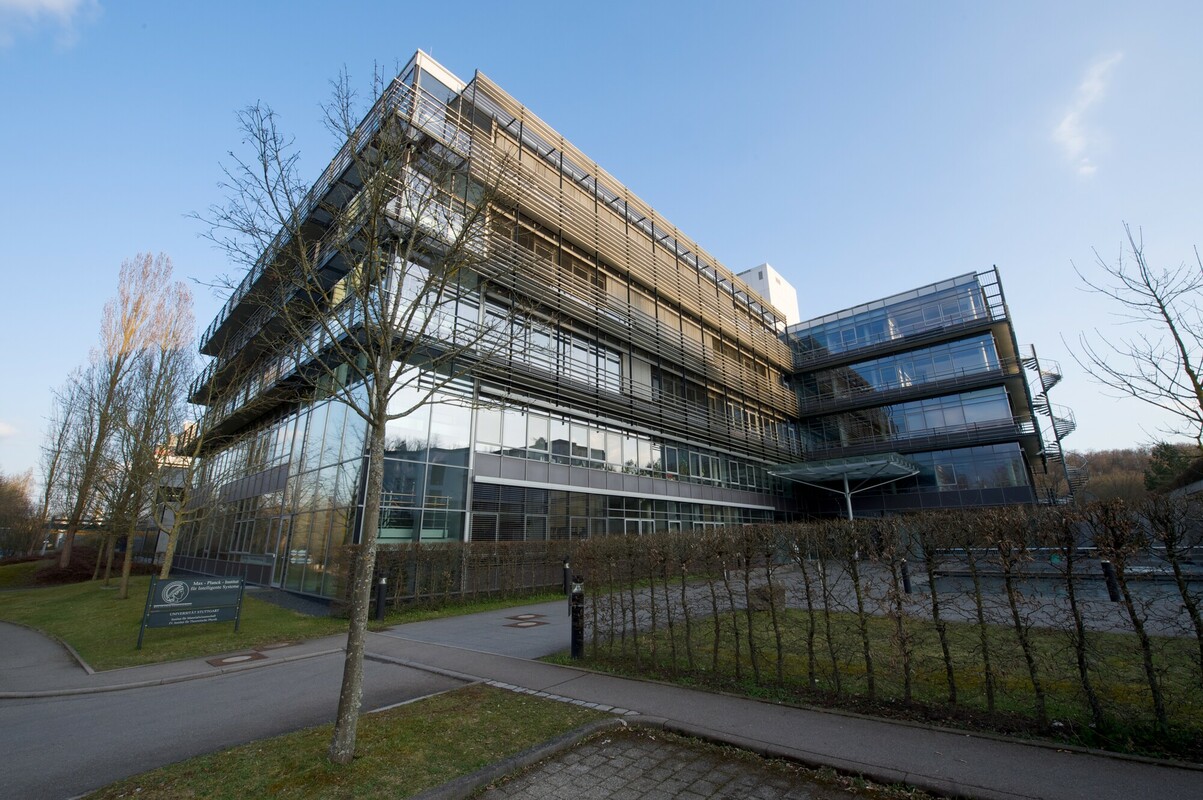
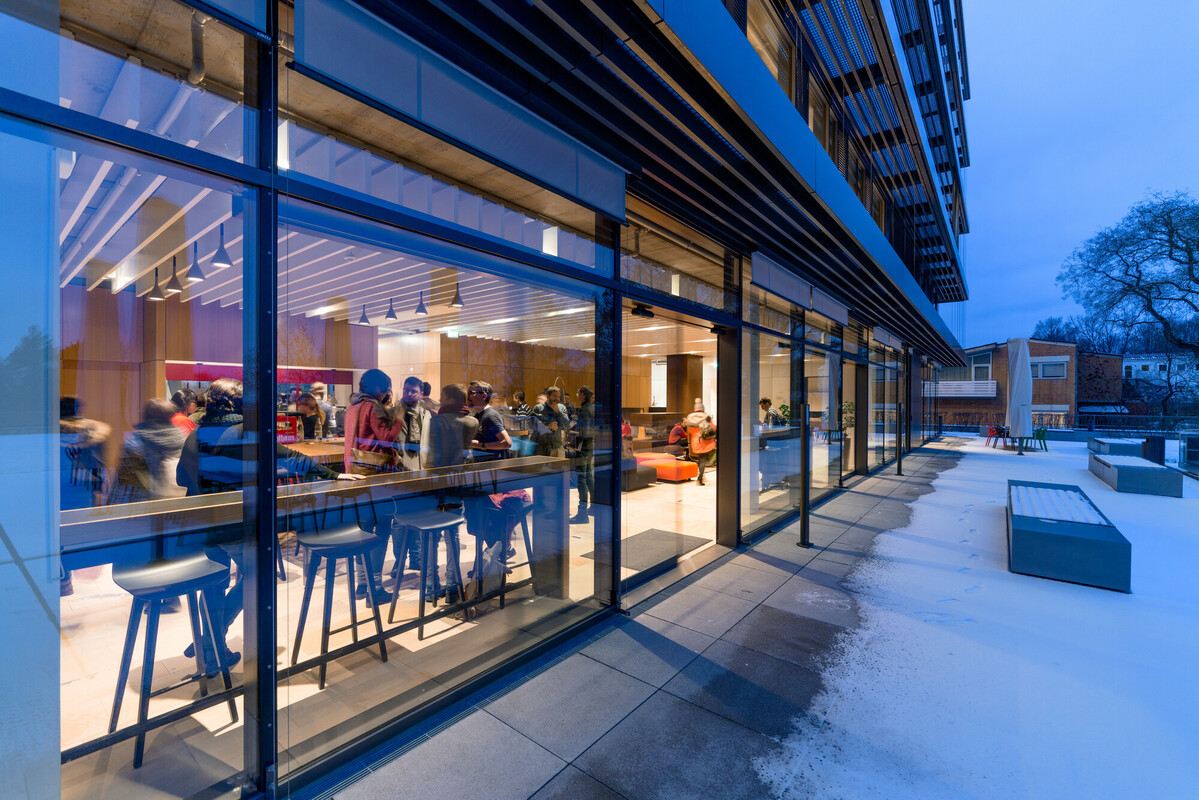
A world-leading institution for research on intelligent systems
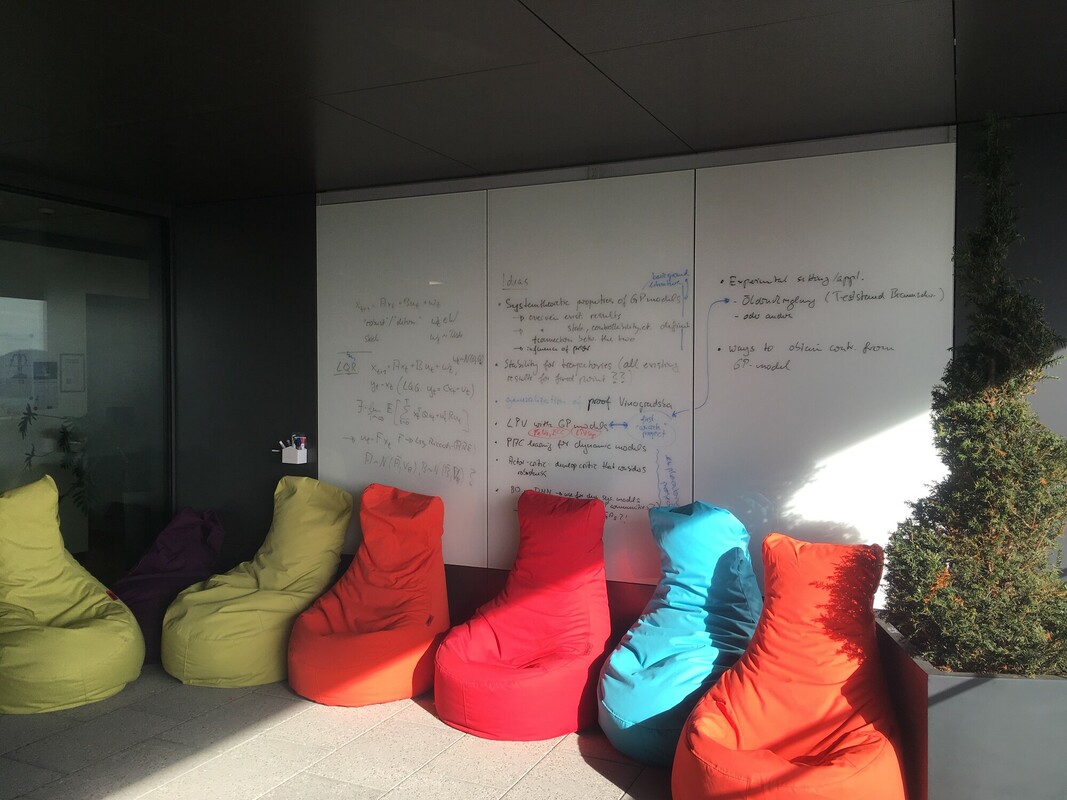
Join our great institute community! With campuses in Stuttgart and Tübingen, the institute combines theory, software, and hardware expertise in the research field of intelligent systems. The Tübingen site focuses on machine learning, computer vision, robotics, and social aspects of computation. The Stuttgart site has world-leading expertise in micro- and nano-robotic systems, haptic perception, human-robot interaction, robotic materials, bio-hybrid systems, and medical robotics.
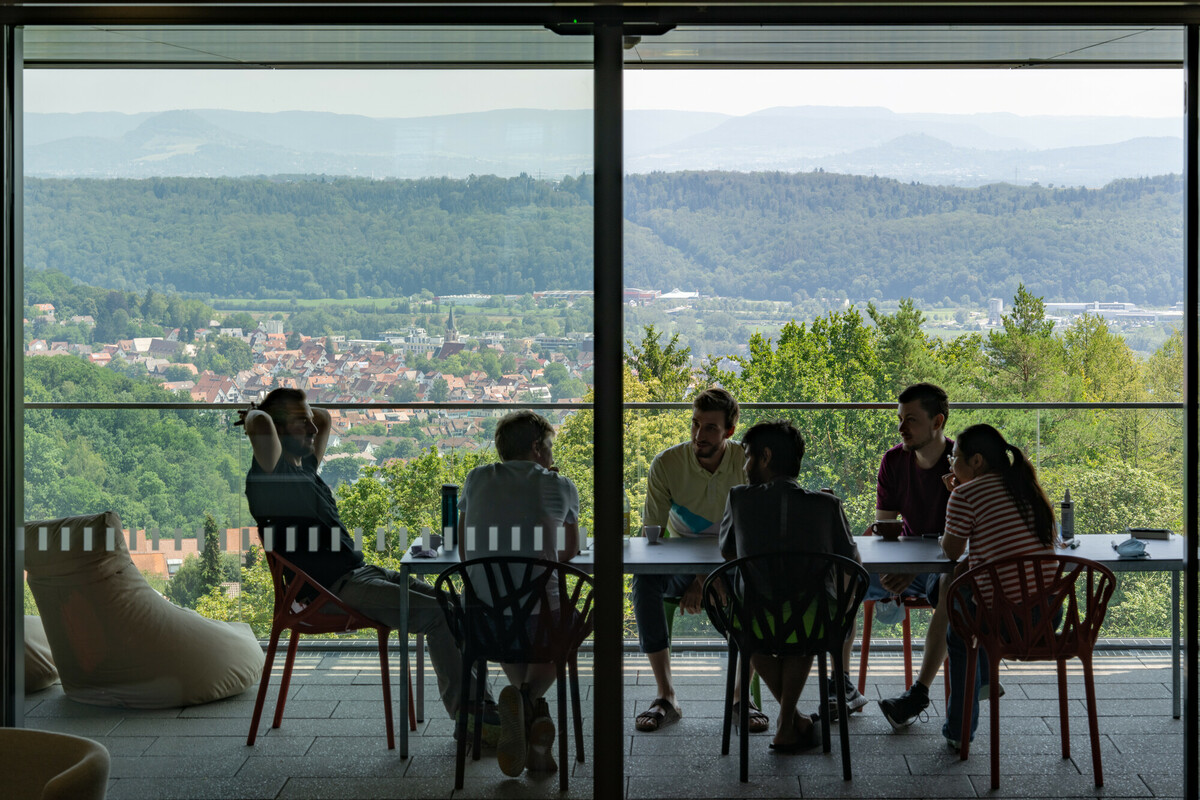

Understanding materials. Shaping the future.
The Max Planck Institute for Solid State Research investigates the fundamental properties of solid materials—including metals, ceramics, and molecular crystals—with a focus on their electrical, magnetic, and mechanical behavior.
Key areas of interest include phenomena such as superconductivity, energy storage, and charge transport, all of which are essential for technologies like lithium batteries, solar cells, and next-generation electronics. Particular attention is given to nanoscale materials, whose properties often diverge from those of their bulk counterparts.
By advancing the understanding and control of solid-state systems, especially beyond the limitations of silicon-based electronics, the institute contributes to breakthroughs in materials science, energy conversion, and quantum technologies.
Education for responsibility
The core of the identity of the Nürtingen-Geislingen University of Applied Sciences for Business and Environment (HfWU) is sustainable development – in teaching, research, and as an entrepreneurial university. The guiding principle of “Education for Responsibility” is institutionally and across faculties embedded in the Center for Sustainable Development (ZNE). As a central academic institution, the Institute Center for Applied Research (IAF) is responsible for carrying out application-oriented research and development projects as well as service contracts. The university maintains international partnerships with around 150 universities across all continents.
Located across two campuses in Nürtingen and Geislingen, NGU offers a range of innovative Bachelor's and Master's degree programs—several of which are highly ranked in national university assessments. The university maintains partnerships with over 50 institutions worldwide and supports internationalization through English-language courses and exchange programs.
Applied research for sustainable societal development – this is the guiding principle of the NGU. The universityfocuses on two core research priorities:
• Applied Agricultural Research, Landscape Development, Environmental Planning and Nature Conservation
• Sustainable Management in the Energy, Automotive and Real Estate Sectors
Since integrating the University of Art Therapy in 2016, NGU has expanded its research activities to include applied social research. Research is organized through dedicated institutes and supported by the Centre for Applied Research (IAF), which provides infrastructure, services, and coordination for all academic research activities. The university also hosts experimental and research gardens, business consulting transfer centers, and the Innovation and Methods Lab, further strengthening its applied research environment.
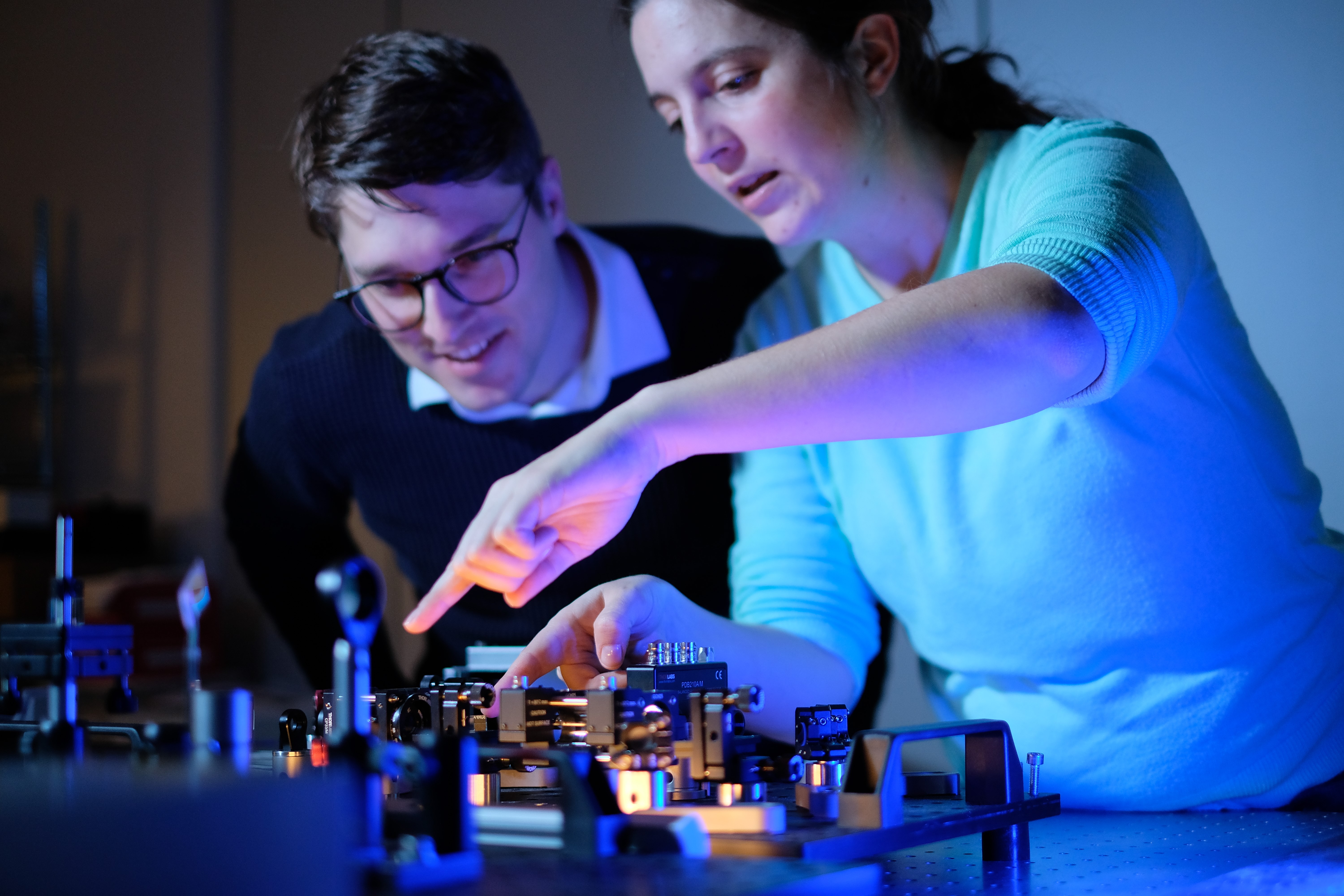
Deep-tech scale-up driving photonic computing for energy-efficient AI.
Q.ANT is a photonic deep-tech scale-up developing photonic processing solutions that compute natively with light and deliver a scalable alternative to transistor-based systems. Its Light Empowered Native Arithmetic (LENA) architecture delivers analog co-processing power optimized for complex computation and enabling energy-efficient performance for next-generation AI and HPC applications. Q.ANT operates its own Thin-Film Lithium Niobate (TFLN) chip pilot line in collaboration with the Institute for Microelectronics Stuttgart, IMS CHIPS, and is currently shipping its Native Processing Servers to selected partners. Founded in 2018 by Dr. Michael Förtsch, Q.ANT is headquartered in Stuttgart, Germany.



Art, design and science
The Stuttgart State Academy of Art and Design (ABK Stuttgart) is distinguished by its diverse range of subjects. Its 22 degree programmes in architecture, design, arts, conservation, and art history-aesthetics offer a wide field of study and research opportunities, and encompass a variety of creative practices. ABK Stuttgart promotes transdisciplinarity, diversity and cultural open-mindedness.
Artistic and experimental research approaches, as well as innovative and forward-thinking concepts, characterise studies at the academy. Highly qualified instructors deliver scientific courses in all disciplines. Focus areas of architectural research include, for example, climate adaptation in the context of heat stress mitigation within the urban microclimate; and conservation research focusing on preserving material cultural heritage, focusing on topics such as materials research, sustainability and climate issues in the field of cultural heritage preservation. to name just a selection.
The academy's distinctive profile includes over thirty workshops and laboratories where students can learn and implement a broad spectrum of analogue and digital design and realisation processes.
National and international collaborations with universities and partners worldwide complement the curriculum and ensure a high degree of internationalisation.
Individual and unique
The University of Hohenheim is an international research university with a strong interdisciplinary profile. The founding idea of the University of Hohenheim was born 200 years ago out of the emergency situation of a global catastrophe and the need to come up with innovative solutions. Today the university focus is on bioeconomy and digital transformation as elements of a sustainable and resilient future. Sustainability and resilience are overarching concepts which are of major relevance for many areas in teaching and research at the University of Hohenheim and in the operations of the University itself. The goal of Hohenheim research is to create a basic understanding of the interrelationships and to then channel these findings into the shaping of concrete actions in practice.
With its unique combination of departments from the agricultural sciences, natural sciences and business, economics and social sciences, the University of Hohenheim makes a systemic contribution to the Sustainable Development Goals (SDGs) of the United Nations.
We are part of several important international networks such as the European Bioeconomy University, the Euroleague for Life Sciences and the Higher Education and Research in Management of European Universities. Additionally, we are part of more than 300 international partnerships and as of May 2025, we are also part of the Excellence Strategy of the federal and state governments.

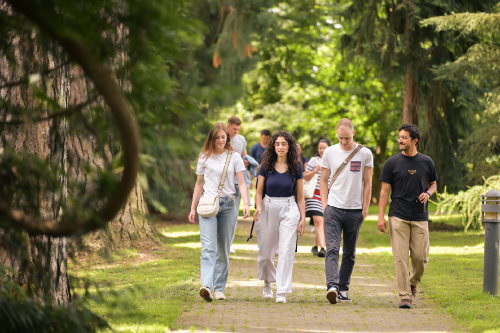
Intelligent systems to benefit society.
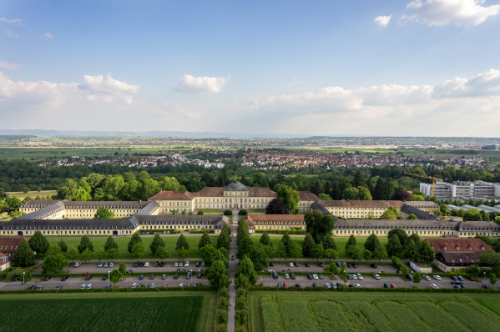
Visionary since 1829: The University of Stuttgart stands for exceptional, world-acclaimed research and first-class teaching in one of Europe’s most vibrant industrial areas. The university is a reliable employer, partner for technology transfer, and focuses on interdisciplinarity.
The University of Stuttgart is one of the leading technically oriented universities in Germany with global significance. It sees itself as a center of university-based, non-university, and industrial research. Furthermore, it takes a role as a guarantor of research-based teaching, focused on quality and holism. The university promotes the transfer of knowledge and technologies to society in all its areas of expertise and competence. The ”Stuttgarter Weg” (Stuttgart Way) means an interdisciplinary integration of engineering, natural sciences, humanities, management, economics, and social sciences based on the fundamentals of cutting-edge research at a disciplinary level. The vision of the University of Stuttgart is “Intelligent systems to benefit society”.
The university’s cutting-edge research is reflected in two Clusters of Excellence: SimTech, which takes the usability and precision of simulations to a whole new level, and IntCDC, which harnesses the full potential of digital technologies to rethink design, fabrication, and construction, enabling game-changing innovation.